Harvard to Relinquish Photos of Enslaved Ancestors After Five-Year Legal Battle
· Updated · 2 min read
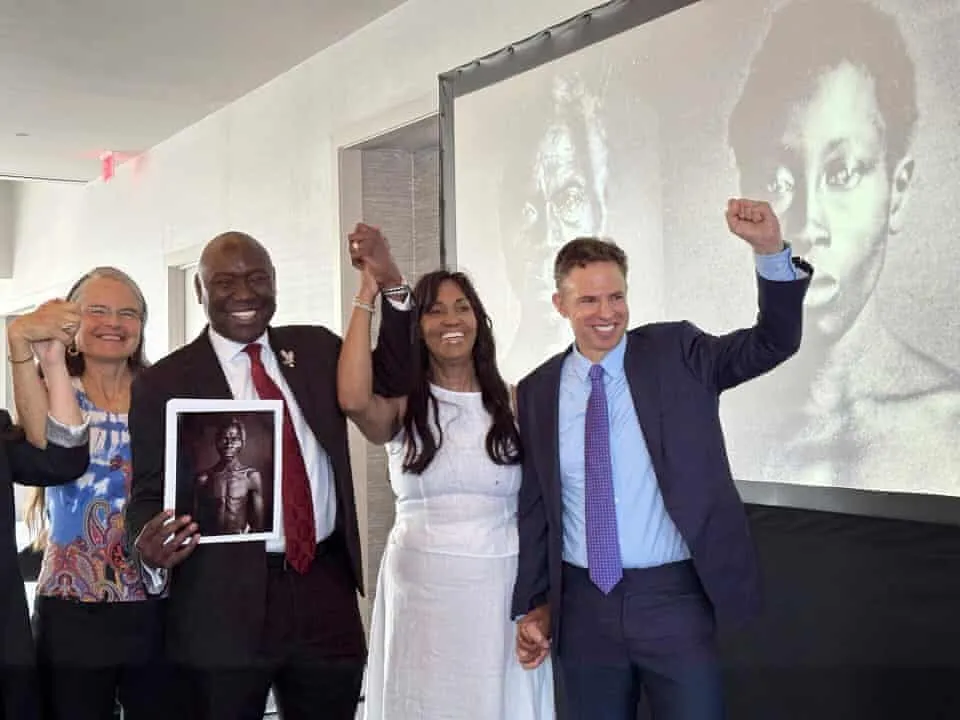
Harvard University has agreed to give up some of the earliest known photos of enslaved people—daguerreotypes taken in 1850 by a Harvard professor to promote racist pseudoscience. The images, showing enslaved Africans stripped naked without consent, were kept in Harvard’s archives for over a century. Descendants sued, arguing the photos were used unethically.
A legacy of exploitation and a fight for justice
The daguerreotypes were originally commissioned by Harvard professor Louis Agassiz, who used them to push false beliefs about racial hierarchy. Despite their disturbing origins, Harvard retained the images, citing their value for research and education. But Tamara Lanier, a descendant of one of the men photographed—Renty Taylor—filed a lawsuit in 2019 demanding the university return the images. She argued Harvard had no moral right to possess or profit from the photos, which were taken without consent and used in lectures and publications with no acknowledgment of the families or the trauma behind them. Her legal efforts sparked national conversations about ownership of Black bodies and the role of institutions in addressing historical harm.
Photos will go to Black-led museum in South Carolina
After five years of legal pressure and public support, Harvard agreed to relinquish the daguerreotypes in 2024. The photos will be transferred to the International African American Museum (IAAM) in Charleston, South Carolina—located in the state where Renty and Delia Taylor were enslaved. The museum is dedicated to African American history and will work closely with Tamara Lanier to ensure the images are handled with dignity.
Stay connected
The culture, in your inbox
Essential stories and original perspectives, every week.
By subscribing you agree to receive our editorial emails. Unsubscribe any time. See our privacy policy.
Tonya M. Matthews, the museum’s CEO, praised Lanier’s perseverance and said this marks a powerful example of reclaiming Black history from the hands of institutions that once helped erase it.
This moment not only closes a painful chapter but begins a new one—led by descendants, with the legacy of those photographed finally in the right hands.
Next story
Georgia Teen Works Burger King Shift in Graduation Medals, Raises $85K for College
Keep reading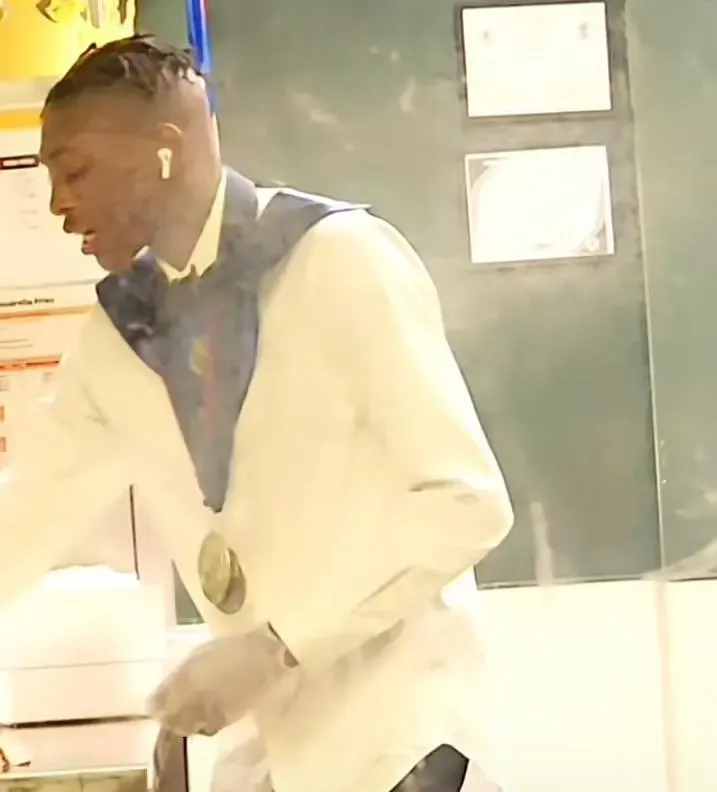
Related stories
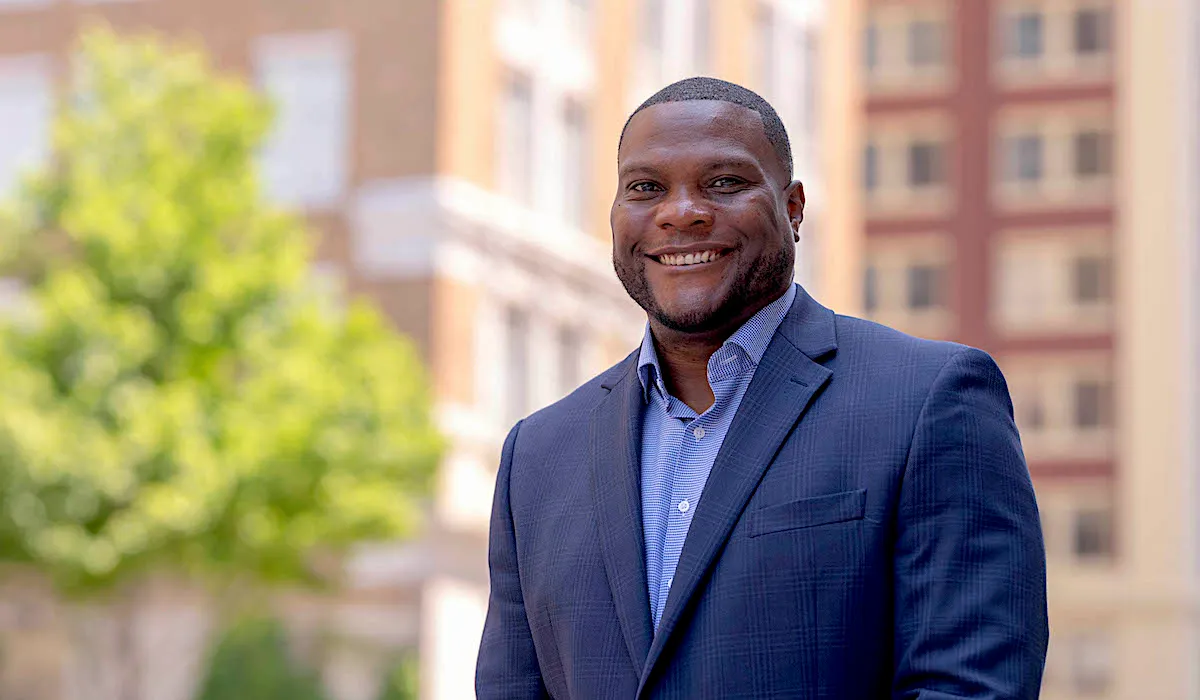
Monroe Nichols IV Becomes Tulsa’s First Black Mayor in 103 Years and Proposes Historic $100 Million Reparations Plan
For the first time in its 103-year history, the city of Tulsa, Oklahoma has elected a Black mayor: Monroe Nichols IV.
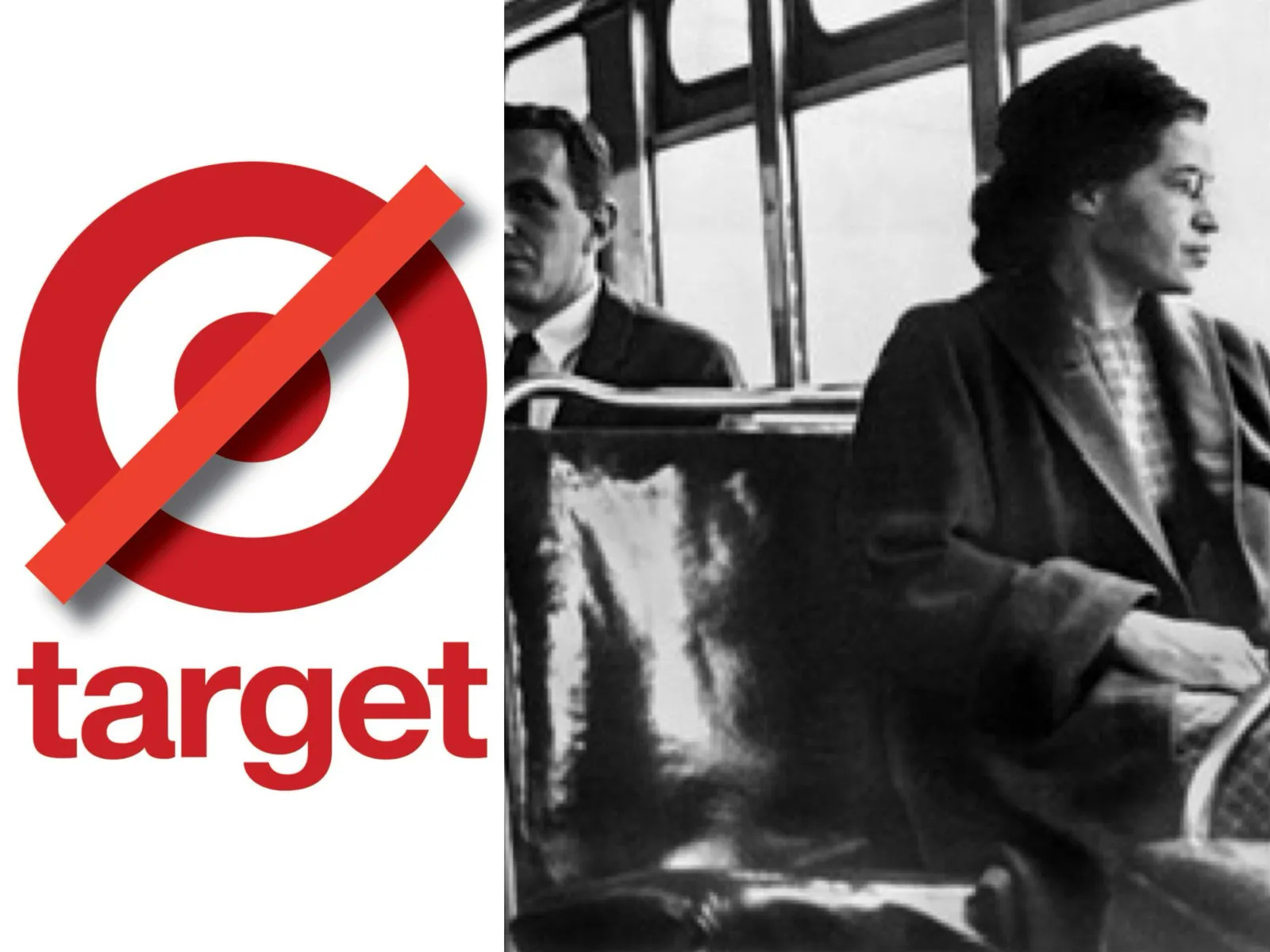
Target Boycott Called One of the Most Impactful Black-Led Boycotts Since Montgomery
In recent months, a consumer boycott against Target has drawn national attention—not only for its scale, but for the significant financial impact it’s had on the retail giant.
Alice Ball: The Forgotten Black Woman Chemist Who Developed the First Effective Leprosy Treatment
In 1915, at just 23 years old, Alice Augusta Ball, a brilliant Black chemist from Seattle, developed the first effective treatment for leprosy—then known as Hansen’s disease.
You may also like

UK’s First Women-Only Apartment Building Set to Open in West London by 2026
Brooke House, a 15-storey women-only apartment building, is currently under construction in Acton and expected to be completed by 2026.
Georgia Teen Accepted Into 53 Colleges, Offered $1.8 Million in Scholarships After Being Labeled “Too Advanced” for Middle School
At just 18 years old, Jada-Symone Batichon is proving that excellence knows no bounds.
Georgia Teen Works Burger King Shift in Graduation Medals, Raises $85K for College
While most high school seniors spend graduation night celebrating with family and friends, 18-year-old Mykale Baker did something different.