Target Boycott Called One of the Most Impactful Black-Led Boycotts Since Montgomery
· Updated · 2 min read
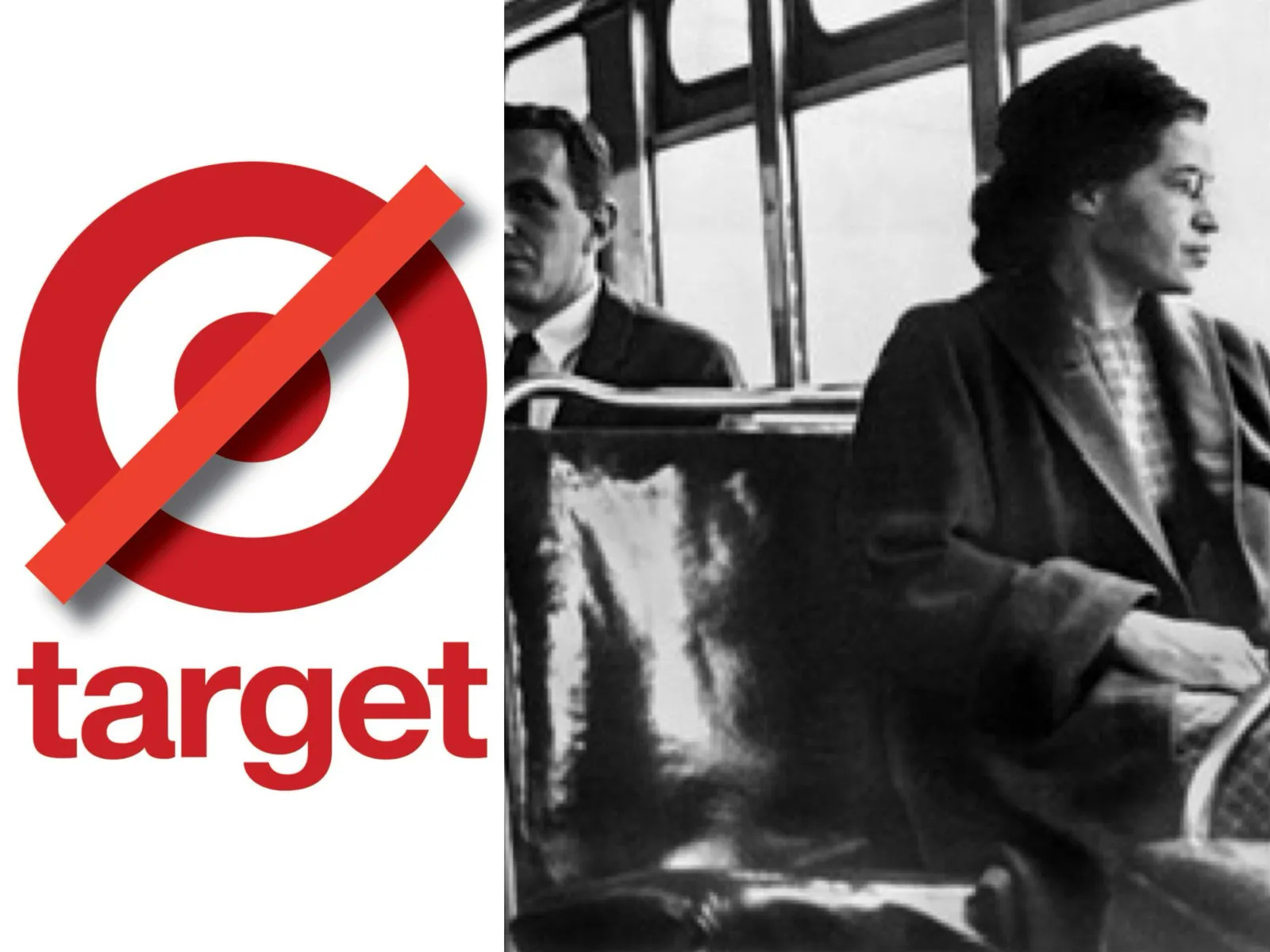
In recent months, a consumer boycott against Target has drawn national attention—not only for its scale, but for the significant financial impact it’s had on the retail giant. Sparked by concerns over the company’s rollback of diversity, equity, and inclusion (DEI) efforts, the boycott was led by Black pastors and activists who accused Target of retreating from its public commitments to marginalized communities.
The backlash began after Target removed certain Pride-themed merchandise from stores and quietly scaled back DEI programs, including support for Black employees and businesses. Critics argued that the move was a response to political pressure and signaled a deeper abandonment of inclusion.
According to faith leader Pastor Jamal-Harrison Bryant, the boycott has become one of the most successful Black-led economic protests in recent history—drawing comparisons to the Montgomery Bus Boycott of the 1950s. Reports estimate that Target lost approximately $12 billion in market valuation. Additionally, the company’s CEO, Brian Cornell, reportedly saw his compensation cut by 43%, and the company experienced a 3.8% drop in quarterly sales.
While Target has not officially acknowledged the full extent of the boycott’s influence, many observers view the financial consequences and public criticism as a direct result of organized resistance—especially across Black faith and advocacy networks.
Stay connected
The culture, in your inbox
Essential stories and original perspectives, every week.
By subscribing you agree to receive our editorial emails. Unsubscribe any time. See our privacy policy.
The movement has also encouraged a renewed push to support Black-owned businesses, particularly those led by Black women. Social media campaigns tied to the boycott promoted alternatives to Target, urging communities to redirect their spending toward companies that uphold their values.
Next story
Alice Ball: The Forgotten Black Woman Chemist Who Developed the First Effective Leprosy Treatment
Keep reading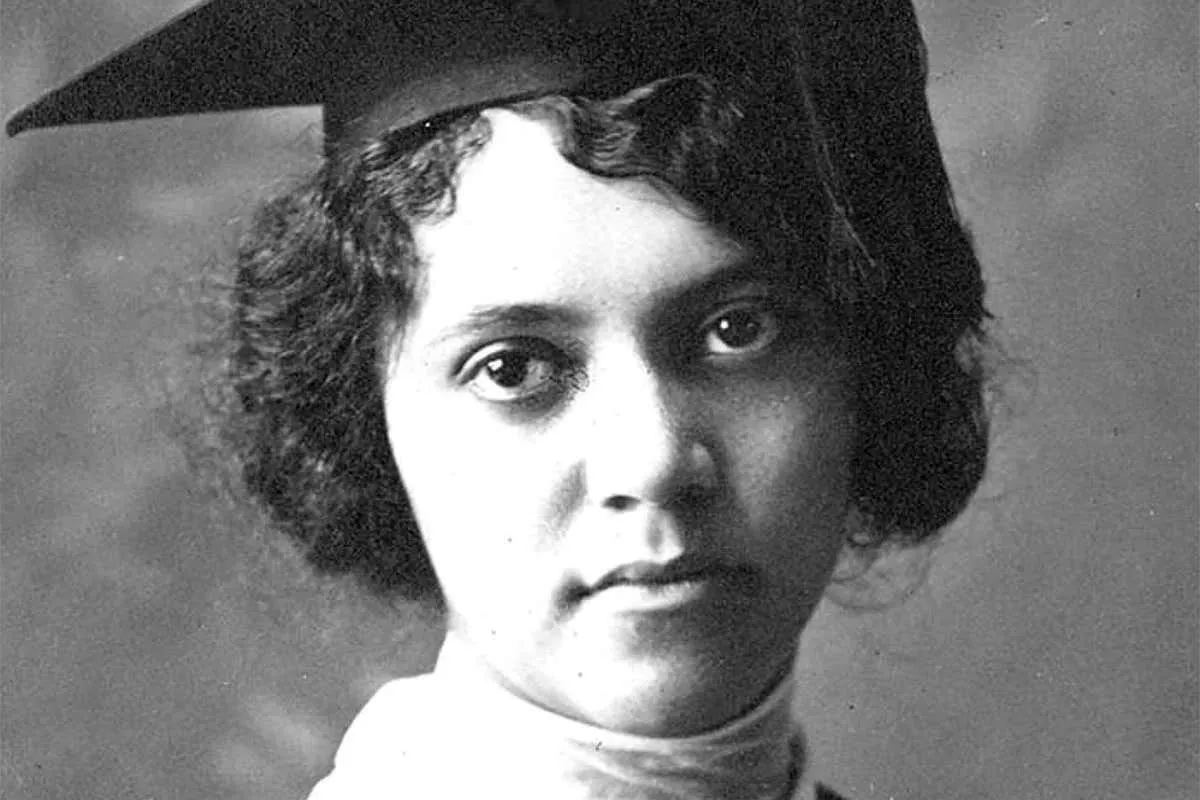
Related stories

Monroe Nichols IV Becomes Tulsa’s First Black Mayor in 103 Years and Proposes Historic $100 Million Reparations Plan
For the first time in its 103-year history, the city of Tulsa, Oklahoma has elected a Black mayor: Monroe Nichols IV.
Alice Ball: The Forgotten Black Woman Chemist Who Developed the First Effective Leprosy Treatment
In 1915, at just 23 years old, Alice Augusta Ball, a brilliant Black chemist from Seattle, developed the first effective treatment for leprosy—then known as Hansen’s disease.
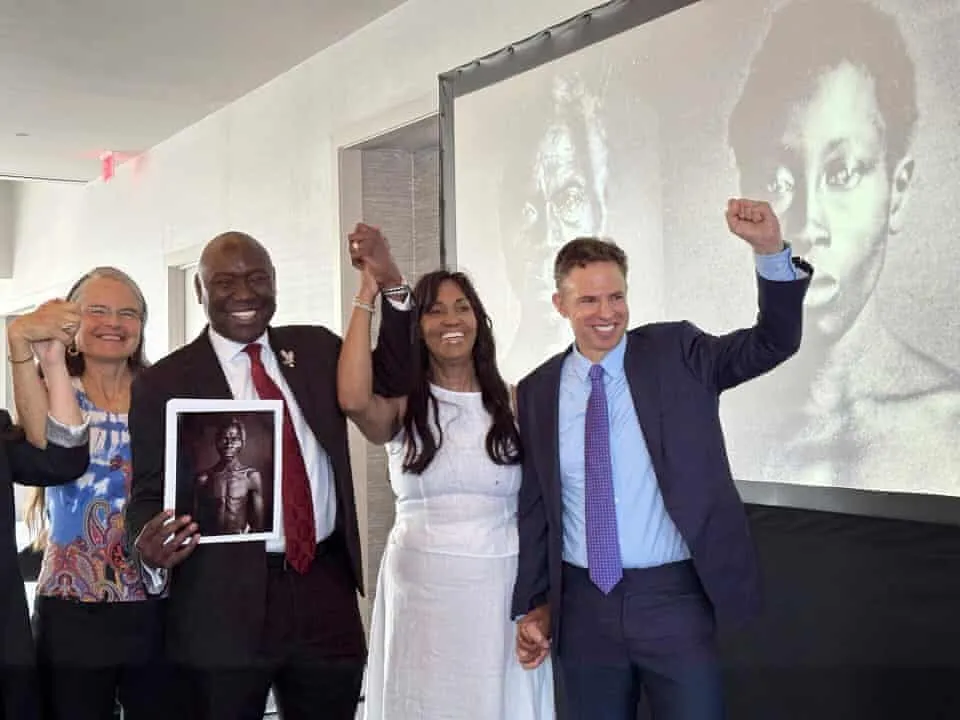
Harvard to Relinquish Photos of Enslaved Ancestors After Five-Year Legal Battle
Harvard University has agreed to give up some of the earliest known photos of enslaved people—daguerreotypes taken in 1850 by a Harvard professor to promote racist pseudoscience.
You may also like

UK’s First Women-Only Apartment Building Set to Open in West London by 2026
Brooke House, a 15-storey women-only apartment building, is currently under construction in Acton and expected to be completed by 2026.

Georgia Teen Accepted Into 53 Colleges, Offered $1.8 Million in Scholarships After Being Labeled “Too Advanced” for Middle School
At just 18 years old, Jada-Symone Batichon is proving that excellence knows no bounds.

Georgia Teen Works Burger King Shift in Graduation Medals, Raises $85K for College
While most high school seniors spend graduation night celebrating with family and friends, 18-year-old Mykale Baker did something different.